The Battle Against Kitchen Waste
Food waste is one of the most stubborn challenges of modern domestic life. Despite our best intentions, vegetable peelings, leftover scraps, and expired leftovers inevitably find their way into the trash. Once buried in a landfill, this organic material decomposes anaerobically, releasing methane—a greenhouse gas far more potent than carbon dioxide.
While traditional backyard composting is a wonderful solution, it is not accessible to everyone. Apartment dwellers, urbanites without yards, and busy families often find the upkeep, pests, and odors of traditional composting to be prohibitive. This gap in the market has fueled the rise of electric food recyclers: sleek kitchen appliances designed to dry, grind, and shrink food waste. Among these, Mill has stood out as a premium, subscription-supported option. Now, the company has released its Second-Generation Mill Kitchen Bin, boasting a quieter cycle, a more compact footprint, and an overhauled pricing structure.
Meet the Mill Second-Generation Bin
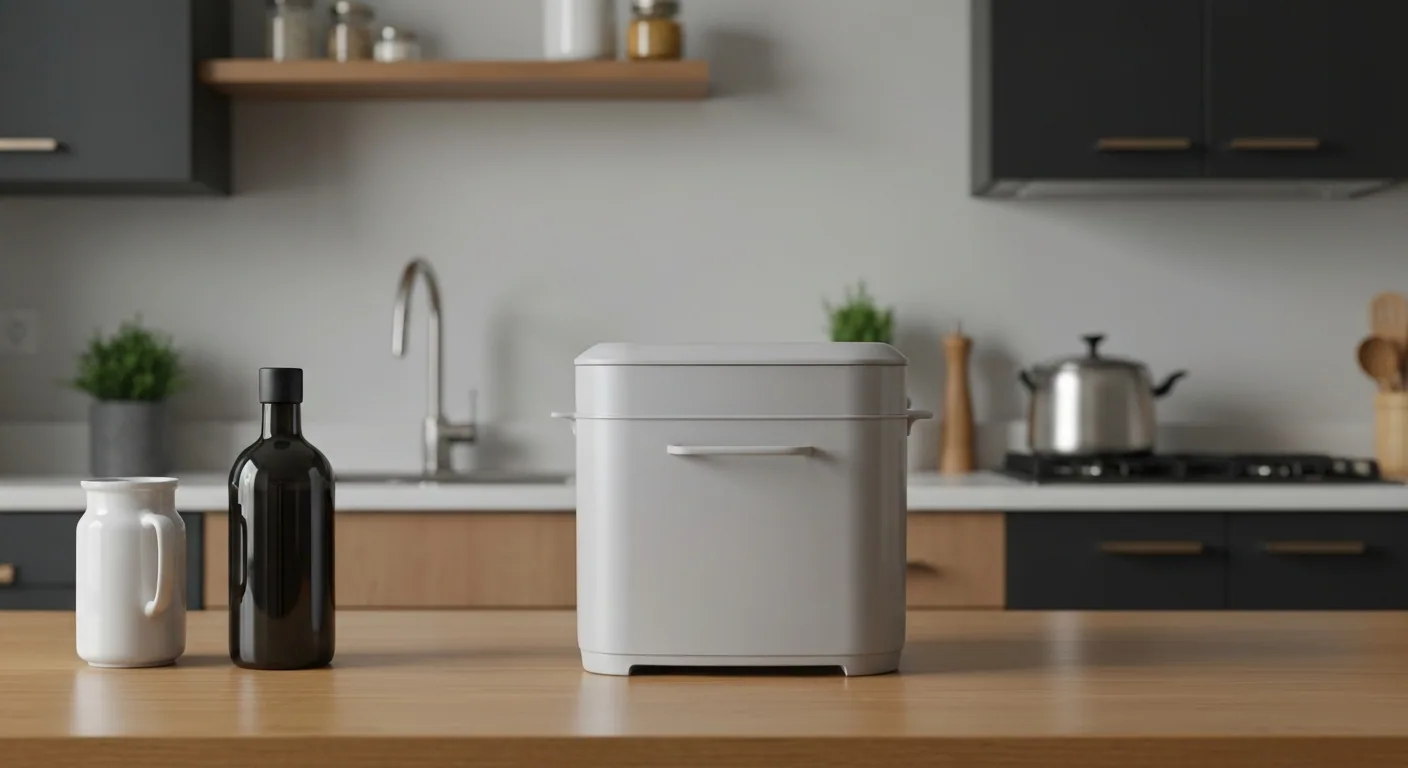
At first glance, the Mill Second-Gen Kitchen Bin looks less like a trash can and more like a minimalist smart speaker or high-end air purifier. Designed by a team with roots at Nest and Apple, its sleek, matte-white exterior and clean lines are intended to blend seamlessly into modern kitchens.
Unlike typical countertop food dehydrators that sit awkwardly next to your toaster, the Mill is a floor-standing appliance. It stands about two feet tall and takes up a footprint similar to a standard kitchen trash can. It features a foot pedal for hands-free opening, a soft-close lid, and a beautifully simple interface. The goal is to make discarding food waste as low-friction as possible: instead of throwing scraps in the garbage, you step on the pedal and toss them into the Mill.
The Mechanics of Food Dehydration
How does it work? The magic of the Mill bin happens overnight while you sleep. Inside the bin is a heavy-duty bucket equipped with metal grinding augers. Throughout the day, you add your food scraps—including tough items like chicken bones, avocado pits, rinds, dairy, and meat.
When you activate the dry cycle (which can be scheduled automatically via the Mill smartphone app), the bin begins a multi-step process. First, it heats the chamber to dehydrate the food, killing any bacteria or pathogens. Once the moisture is removed, the augers slowly grind the dried food into a fine, shelf-stable, odorless material that resembles coffee grounds. This process reduces the volume of your food waste by up to eighty percent, meaning you only need to empty the bin once every few weeks.
What Makes the Gen 2 Different?
The first-generation Mill bin was highly praised for its design, but users pointed out a few key areas for improvement: noise levels, cycle speed, and the rigid subscription model. The second-generation model directly addresses these pain points.
First and foremost is the noise level. While the original bin hummed noticeably during its grinding phase, the Gen 2 features optimized airflow pathways and a redesigned motor. It operates at a whisper-quiet decibel level, making it barely audible even in open-concept living spaces. Additionally, the heating elements have been upgraded to dry food faster and more efficiently, reducing overall energy consumption per cycle. Finally, the internal charcoal filter system has been redesigned to better trap moisture and eliminate any trace of sour or sweet odors that sometimes escaped during the drying of pungent foods like onions or seafood.
Deciphering the Subscription Model
One of the biggest hurdles for early adopters of the original Mill was its mandatory annual subscription model. Mill has listened to consumer feedback and introduced a much more flexible pricing structure for the Second-Gen bin.
You can now purchase the Mill bin outright for a flat fee, which includes a basic trial of their filter and feedback service. For those who want the full, worry-free experience, Mill offers a subscription plan. This subscription covers:
- Regular shipments of replacement charcoal filters to keep the bin completely odor-free.
- Access to the "Feed Loop" tracking system via the Mill app.
- Pre-paid shipping boxes and return labels to send your accumulated "Food Grounds" back to Mill.
Once returned, Mill processes these clean, dry grounds and upcycles them into commercial chicken feed, keeping the nutrients within the agricultural food system rather than letting them go to waste.
Real-World Kitchen Performance
In our multi-week test of the Gen 2 bin, the day-to-day experience was remarkably frictionless. The foot pedal is highly responsive, and the bucket is large enough to handle the waste of a four-person household for up to three weeks before needing to be emptied.
The odor control is where the Mill truly shines. Even when loaded with onion skins, fish bones, and coffee grounds, there was absolutely no smell escaping the bin while it sat in the kitchen. During the active drying cycle, a very faint, warm, slightly sweet aroma (reminiscent of baked goods or toasted grains) was occasionally detectable if standing directly over the unit, but it was far from offensive. The noise level was indeed incredibly low—equivalent to a modern, quiet dishwasher running in another room.
The Environmental Equation
For eco-conscious consumers, the key question is whether shipping dried food grounds through the mail is actually environmentally friendly. Does the carbon footprint of mailing a heavy box of grounds outweigh the benefits of keeping food out of landfills?
According to Mill's life-cycle assessment, the answer is still a resounding yes. Because the food grounds are completely dehydrated, they are lightweight and stable, meaning they do not rot or produce methane during transport. Shipping them via existing USPS routes—which are driving those neighborhoods anyway—minimizes the incremental carbon impact. Furthermore, turning those grounds into chicken feed offsets the environmental cost of growing virgin feed crops like soy and corn. However, if you prefer, you can also use the dry grounds directly in your own garden as a soil amendment, though they are highly concentrated and must be mixed thoroughly with soil to avoid clumping.
Final Verdict: Is It Worth It?
The Mill Second-Gen Kitchen Bin is a triumph of home appliance engineering. It resolves nearly every minor complaint of the first generation while keeping the sleek aesthetics and seamless user experience intact.
Is it worth the investment? If you already have a backyard compost pile that you happily manage, or if your city provides a robust green bin composting program, the Mill may be an expensive redundancy. However, if you live in an apartment, hate the smell and flies associated with traditional green bins, or want a hassle-free way to reduce your household carbon footprint, the Mill Second-Gen is the gold standard of indoor food recycling. The more flexible subscription model makes it far easier to fit into a household budget, proving that high-tech sustainability can be both practical and beautiful.